Foundation Repair in Tallahassee, FL
Cracks that come and go with the seasons, doors that stick only in summer, a floor that slopes toward one corner. In this city there is usually a clay and tree explanation.
In Tallahassee, foundation crack injection typically costs $400-1,500, while pier installation runs $1,300-2,900 per pier with most jobs needing 4 to 12 piers.
North Florida sits on red clay rather than the sand found across much of the peninsula, and clay changes volume with moisture - swelling in the wet season and shrinking in dry spells.
An independent structural engineer's report costs $400-900 in the Tallahassee area and is worth obtaining before committing to any job above roughly $5,000.
Two things move foundations here
The first is the clay itself. People assume Florida means sand, and across most of the peninsula it does - but the Big Bend is red clay country. Clay holds water and expands, then releases it and contracts. A foundation resting on it goes along for the ride, and over enough cycles that movement shows up as cracks, sticking doors and sloping floors.
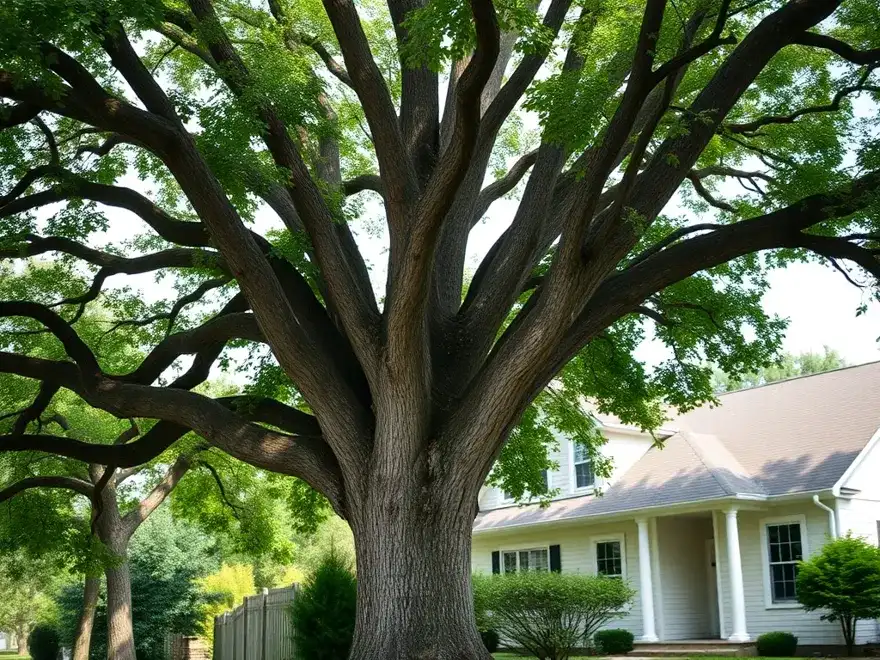
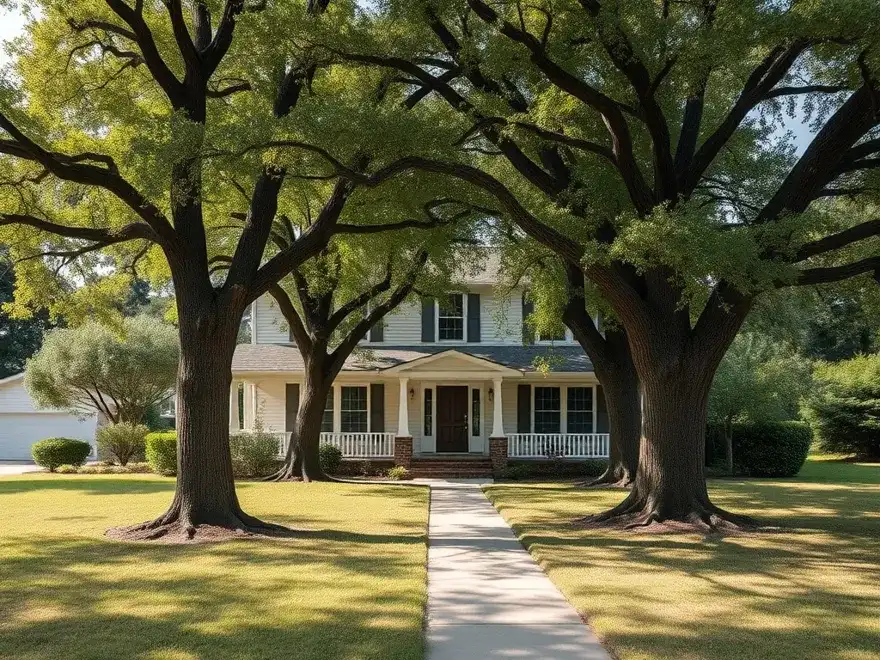
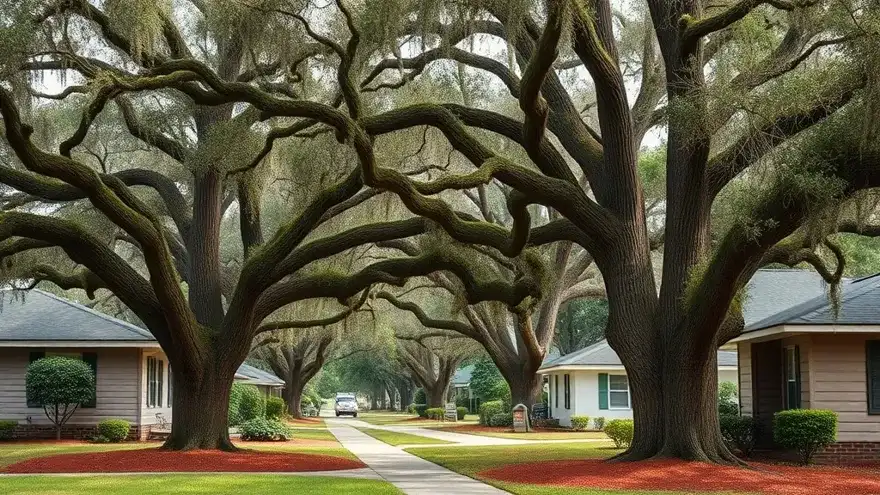
The second is the thing that makes Tallahassee beautiful. A mature live oak pulls a serious volume of water out of the ground every single day. In a dry stretch, the soil near that tree shrinks noticeably more than soil twenty feet away - and it is the difference between the two, not the movement itself, that damages a foundation. A house that settled evenly would be fine. Houses do not settle evenly here; they settle toward the tree.
- Cracks concentrated on the side of the house nearest a large oak
- Doors that stick in one season and swing freely in another
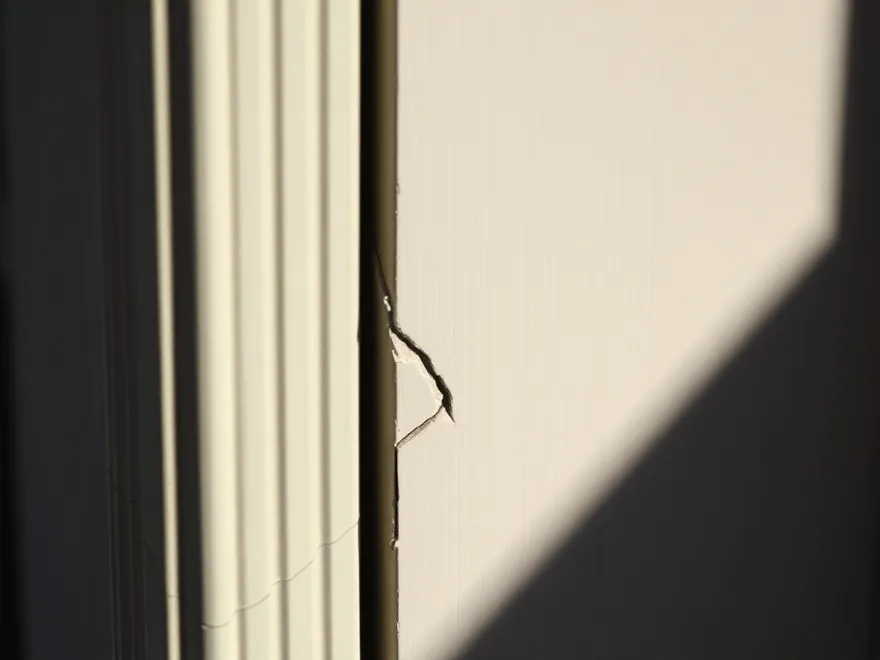
- Diagonal cracks from the corners of doors and windows
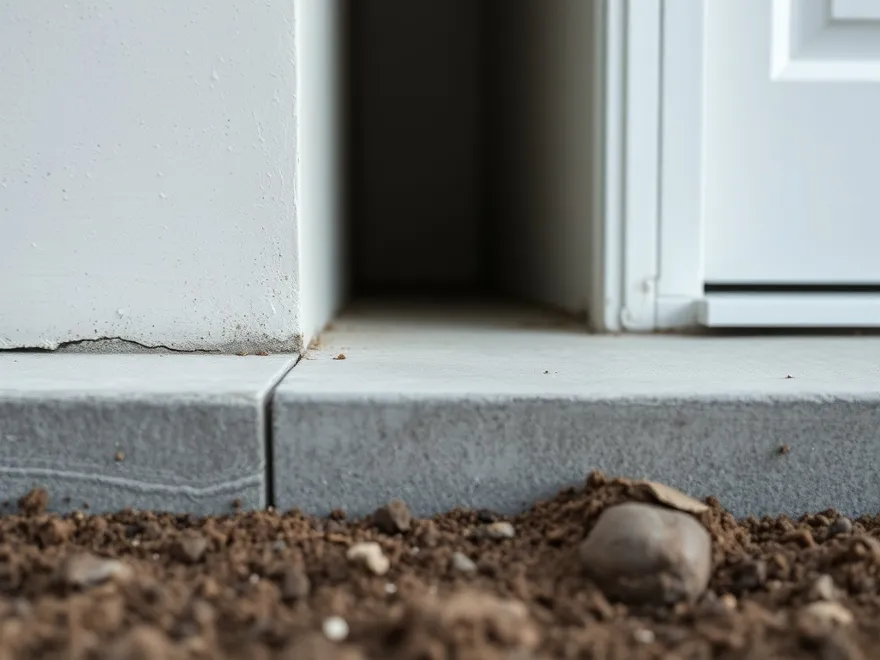
- Gaps opening between the slab and a separately poured patio or driveway
Which is why the damage has a pattern
- Cracks concentrated on the side of the house nearest a large oak.
- Doors that stick in one season and swing freely in another - the classic signature of clay moving rather than a house failing.
- Diagonal cracks running from the corners of doors and windows, which is where the stress concentrates.
- Gaps opening between the slab and a patio, driveway or porch that were poured separately.
Not every crack is a foundation problem
This is worth saying plainly, because this industry has a reputation problem and some of it is earned. Hairline cracks in a slab, cracks that have not changed in years, and fine cracking in stucco or drywall are extremely common and frequently mean nothing structural at all.
The question is never really "is there a crack". It is whether it is moving. Pencil a line across the crack, write the date beside it, and look again in three months. A crack that has not moved is a crack, not a diagnosis.
Areas we cover
- Tallahassee
- Midway
- Havana
- Crawfordville
- Monticello
- Quincy
- Woodville
Not sure whether it is moving?
Tell us what you are seeing and roughly when it started. We will match you with a vetted local contractor. Ask for an independent engineer report before any large job.
Or call (850) 409-8353
Common questions
Do I need an engineer or a contractor first?
For anything that looks significant, an independent structural engineer first. A $400-900 report from someone with no stake in the repair is the cheapest protection available in this industry, and a good contractor will not be offended by it.
Should I cut down the oak?
Rarely the first answer, and sometimes the worst one. Removing a large tree stops the drying but also stops the water uptake that has been keeping the soil in balance for decades - soil can then swell and heave. It is a decision that needs someone who has looked at the soil, not a rule of thumb.
Is this covered by homeowners insurance?
Usually not. Standard policies commonly exclude earth movement and settlement, though sudden damage from a specific covered event can be different. Check your own policy before assuming either way.